
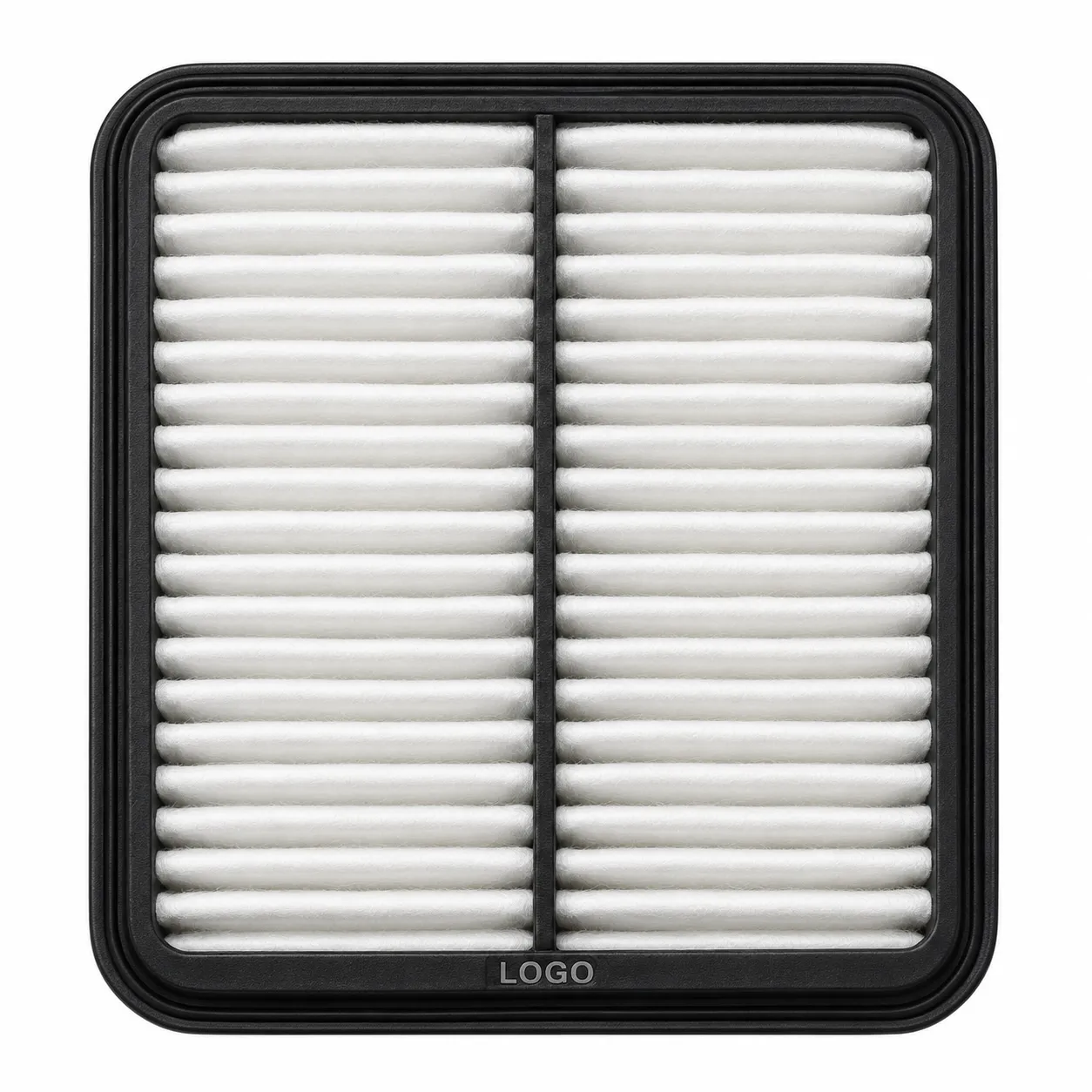
Product overview
An engine air filter is fitted in the intake airbox. Select a replacement by part number and housing geometry, including the sealing surfaces.
Buyer pain points
The same cross-reference can appear beside different inner diameters. A seal that does not seat correctly can leave a path around the filter media.
Applications and purchasing
Send airbox shape and outer diameter, inner diameter and height from the original part. Ask for same-SKU photos and dimensions before sample approval. The candidate 17801-0C010 is listed on a combined supplier page. Match the sample to the intended market and ask for restriction and filtration test conditions.
Before approving a bulk order
Confirm the quoted part or configuration, price basis, pack quantity and applicable documents in writing. Gallery illustrations support review. Check the final item against a matching drawing, photo or sample.
Fitment and inspection
The engine air filter sits inside the intake airbox ahead of the engine intake. It traps airborne particles before the air enters the engine. The candidate 17801-0C010 is listed for certain applications in supplier catalogs. A U.S. fitment list has yet to be confirmed for the exact item.
How to check the airbox and seal
Inspect the old element for uneven compression, tears and dust tracks past the sealing surface. Check the lid, clips and gasket area as well. Compare shape and sealing dimensions before approving a replacement sample. A dusty element or performance complaint alone does not establish the cause.
Wholesale ordering guide
Define the item before requesting a price
Start the request with engine code, airbox reference and original filter number. An order line should also state how many engine air filter units you need, whether they are intended for a trial or repeat order, and the delivery destination. If a supplier proposes a different reference, ask for the proposed number in writing and request the reason for the substitution. For a catalog buyer, preserving the reference at this stage helps keep the quotation, sample and later receiving records connected. Put each configuration on a separate line so it can be reviewed and quoted on its own merits.
Measure the existing installation
Capture outer diameter, inner diameter, overall height and sealing surface geometry. Record which dimensions came from a drawing and which were taken from the existing installation. Include the units and indicate the surfaces used as reference points. A measurement from packaging or a screen image should not be treated as the dimension of the part. Share the original measurements with the supplier and ask for a marked drawing of the proposed part. Where the installation has been modified, describe the changes, since a fitment table for a standard vehicle may no longer describe the actual installation.
Request photographs that support a fitment decision
Ask for clear photographs showing the top and bottom end caps, pleats and sealing edge. Request pictures of the exact item quoted, rather than relying on a category image or a photo of a similar version. If the supplier shows more than one configuration in a listing, ask them to mark which image corresponds to the order line. Save the photo set with the quote reference. Receiving teams can then compare the markings and visible construction against what was approved, while the product data team can flag any differences before cataloging the item.
Evaluate alternatives before approving a sample
A common risk in this category is a similar cross-reference with a different inner diameter or end-cap profile. Ask the supplier to identify any difference before shipping a sample. Do not approve an alternative solely because it appears under the same search term or vehicle name. A useful sample check includes checking how the filter sits in the airbox before closing its lid. Record the outcome, including any discrepancy and the reference on the sample label. If the result depends on a particular vehicle, photograph or document that configuration so the approval is not inadvertently applied to another model or installation.
Ask for the right quality records
If a specification matters to your purchase, request filtration efficiency and restriction at the test flow rate. Check that any document identifies the item, test conditions and date. A brochure or a report for a different configuration does not settle whether your order meets the same criteria. Where only a supplier declaration is available, note that in your review and decide whether the order requires independent inspection, a sample test or additional documentation. Agree in writing on the evidence that must accompany the order and how any discrepancy will be resolved before dispatch.
Compare packaging and the unit of sale
Ask for protection against crushing or deforming the sealing ends. Clarify what one selling unit contains and whether its price is for a single item, a pair or a complete kit. Request the number of units per carton, carton dimensions and gross weight before comparing freight quotes. If you need labels, barcodes or separate cartons for variants, list those requirements alongside the quantities. Check whether packaging is included in the proposed unit price or quoted separately. A consistent unit and pack definition makes it easier to receive stock, check shortages and compare suppliers.
Prepare an initial and a replenishment order
For a trial purchase, state the sample quantity and the checks your team will perform. Ask for a separate quote at your expected stock quantity, including any minimum per configuration, proposed lead time and delivery basis. For repeat orders, use the approved drawing, photo or sample reference and ask how changes to components or packing will be communicated. If your list includes several related items, identify those that must arrive together and those that can ship separately. Request confirmation of consolidation and timing in the written quote.
Handle fitment and service questions after delivery
If a customer reports dust tracks downstream of the seal, uneven compression or intake restriction, record the vehicle details, the order reference and photos of the installed and original parts. Where inspection is required, inspect the housing and seal with a qualified technician. Preserve the packaging and batch identification while the issue is reviewed. Ask the supplier which evidence is needed to distinguish a fitment mismatch, a missing component and a suspected product fault. Record any agreed return or replacement procedure, including who arranges freight and which items must be returned. These terms should be confirmed for the order rather than assumed from the product listing.
Approve the purchase order against the quote
Before issuing a purchase order, compare every line with the written quote. Check the proposed part reference, required quantity, agreed configuration, case pack, price basis, delivery terms and documents. Attach any approved drawing or sample notes that the receiving team will need. For mixed orders, specify which substitutions are permitted and which lines require exact matches. If information is still missing, leave that item open and ask for clarification. This gives both parties a record to use if a shipment or a later replenishment differs from what was approved.
Receiving and catalog checks
For an intake filter program, separate the measurements needed for catalog fitment from the checks made with a sample. Capture the housing profile and the location of the sealing surfaces in your catalog notes. During sample evaluation, check whether the filter sits flat and the airbox cover closes normally. If buyers report that a filter looks identical but will not seat, compare the gasket profile and overall height before changing the cross-reference. Ask for clear photos from above and from the side so the next purchase can be checked against the same physical reference.
Related filter guides
Read our guide on when to change an engine air filter for service intervals and inspection steps. See the cabin and engine air filter comparison to check which filter your customer needs.